
The April Pivot: Strategic Inventory Management for Premium Knitwear Brands
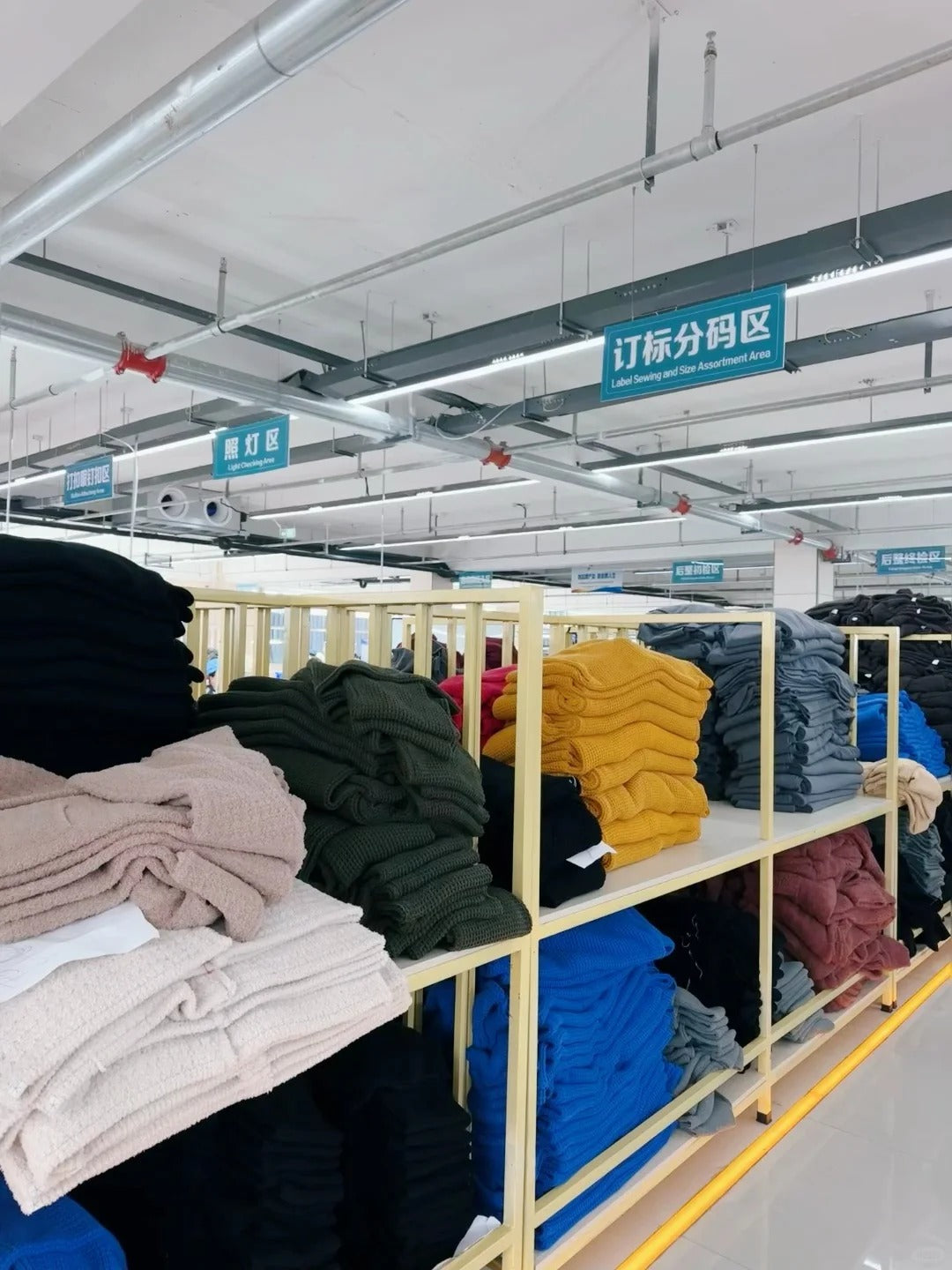
In the global knitwear industry, April represents a critical "bridge" month. As heavy winter layers are stowed away and spring collections take center stage, B2B brands and distributors face a dual challenge: clearing residual heavyweight stock while simultaneously maximizing the turnover of lightweight seasonal items. Success during this period is not merely defined by sales volume; it is about maintaining a healthy cash flow, optimizing warehouse efficiency, and protecting premium brand equity.
1. The Data-Driven Inventory Audit
Before launching any promotional campaigns, it is essential to perform a rigorous Sell-Through Rate (STR) analysis. Identify which "hero products" moved quickly and which "slow-movers" are currently tying up capital. For B2B stakeholders, this data is the foundation of strategic decision-making. It informs whether to move remaining winter inventory to off-season storage for future cycles or to initiate strategic liquidations through secondary channels to free up space for incoming Summer and Pre-Fall shipments.
2. Leveraging Trans-seasonal Versatility
One of the most effective strategies for the April transition is the "Trans-seasonal Pivot." High-quality lightweight knits—such as 14-gauge merino wool or premium cotton blends—should be repositioned in your marketing narrative as "Air-Conditioning Essentials" or "Year-Round Travel Staples."
Partnering with a versatile sweater manufacturer allows brands to develop these transitional pieces that effectively blur the lines between traditional seasons. By emphasizing the layering potential of these garments, you can extend the full-price selling window for products that might otherwise face immediate markdowns.
3. Strategic Bundling Over Deep Discounting
Deep discounting can be a dangerous trap for premium knitwear labels, as it often erodes the perceived value of the craftsmanship. Instead, we recommend "Strategic Bundling" to your retail partners. Pairing a slow-moving winter cardigan with a high-demand spring knit top at a "Curated Set Price" increases the Average Order Value (AOV) while effectively clearing aging stock. This approach incentivizes volume purchases without compromising the high-end positioning of your brand.
4. Early Engagement for the Pre-Fall Cycle
April is also the golden window for gathering market feedback for the next major production cycle. Use this period to engage your B2B clients with "Early Bird" previews of your Fall/Winter 2026 developments. This forward-looking approach shifts the professional conversation from "clearing the past" to "investing in the future." Securing early deposits during the spring months stabilizes your production calendar and ensures priority manufacturing slots.
- Posted in B2B Fashion Strategy, Inventory Management, knitwear manufacturer, knitwear supplier, Knitwear Supply Chain, streetwear, summer knitwear, sweater manufacturer
