
Sweater Sewing Pattern: How to Choose the Right PDF (Plus a Factory-Ready Checklist)
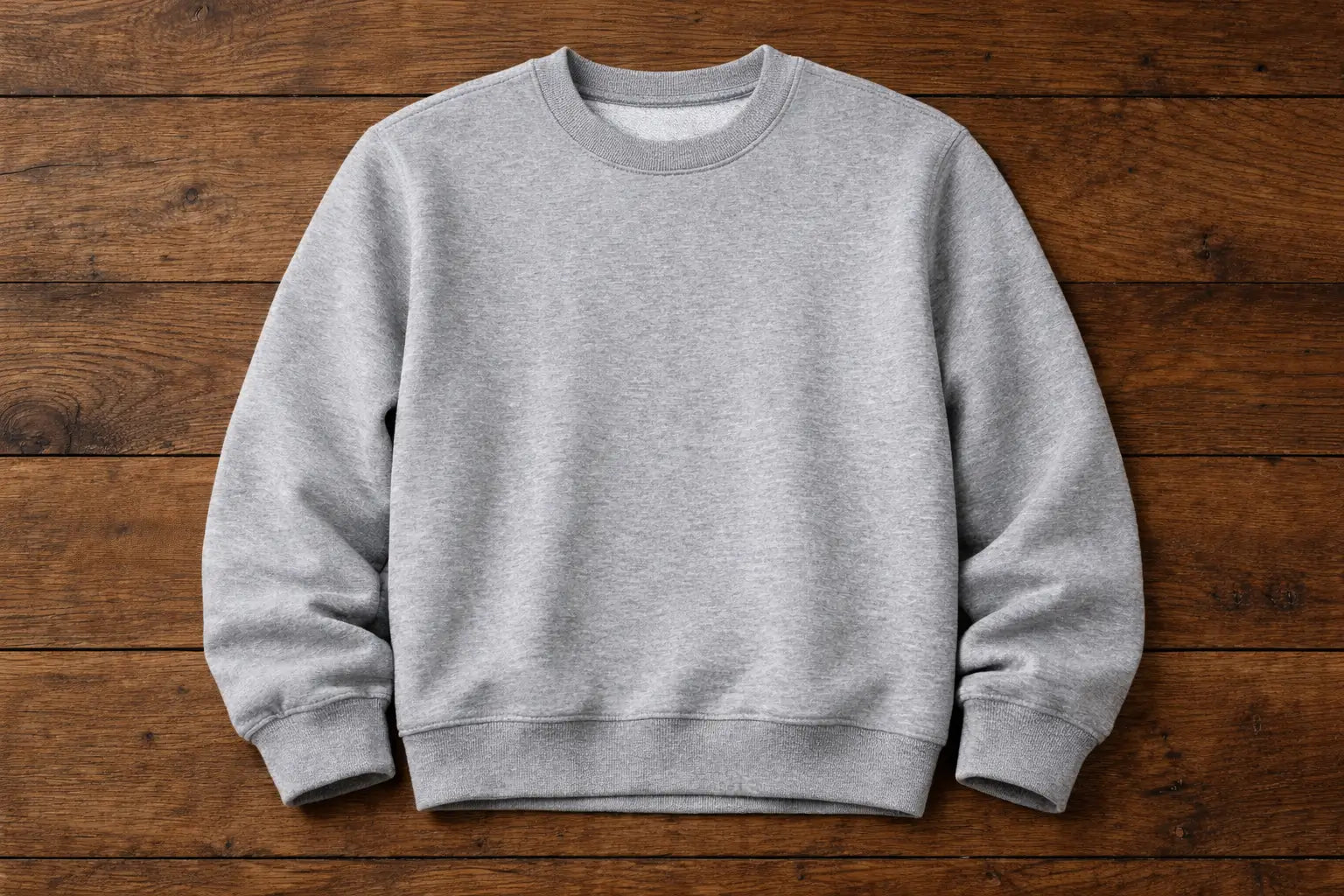
Most people searching “sweater sewing pattern” are looking for a cut-and-sew knit garment (often closer to a sweatshirt/jumper shape), not a yarn-knitting pattern. This guide helps you choose a pattern and fabric that actually work together — and, if you’re turning the design into a product, shows what you need to send a manufacturer to start sampling.
What a “sweater sewing pattern” usually means
In sewing searches, a “sweater sewing pattern” usually means a pullover made from knit fabric (like French terry, sweatshirt fleece, ponte, or sweater knit) that’s constructed on a sewing machine — not a yarn-knitting pattern.
Quick reality check
- If you’re sewing: you’ll download a PDF pattern, cut fabric pieces, and sew them together.
- If you’re knitting: you’ll follow a knitting pattern and create the fabric from yarn.
- If you’re making a “true knitted sweater” as a product: you’re usually working from a tech pack / spec package and (often) a knitwear factory workflow, not a home-sewing PDF.
This matters because the “right” fabric, stretch, and construction details change depending on which path you’re on.
Sweater sewing pattern vs knitting pattern (quick difference)
- Sewing pattern: A template to cut fabric pieces (front/back/sleeves, etc.) and stitch them into a garment.
- Knitting pattern: Instructions to knit the garment (or fabric panels) from yarn.
- Why it’s confusing: The word “sweater” describes the look/usage, but the construction can be sewn (cut-and-sew knit) or knitted (yarn).
Sweater vs sweatshirt/jumper (why SERPs mix these terms)
Many “sweater” sewing patterns look like sweatshirts because they share the same basics: a pullover silhouette, knit fabric, and simple seams.
Key differences that change your choices:
- Fabric weight and surface: sweatshirt fleece/terry vs sweater knit vs rib knit can behave very differently.
- Stretch and recovery: some “sweater knits” stretch a lot but don’t recover well (easy to bag out).
- Finishes: neckbands/cuffs/hems can be ribbing, folded hems, bands, or bindings — each needs clear specs.

That clarity makes it much easier to pick the right fabric and avoid frustrating results.
Before you buy/download a pattern: what to check (so you don’t waste time)
A sweater-style pattern succeeds or fails based on a few pieces of pattern metadata. Skimming this list first saves hours.
Pattern metadata checklist (PDF files, sizes, skill level, printing options)
- Fabric requirement + stretch expectation: Does it specify knit type and required stretch?
- Size range + measurement chart: Is it drafted for your body measurements (not just “S/M/L”)?
- Finished garment measurements: Helpful for choosing ease (relaxed vs fitted).
- File format: print-at-home vs copy-shop/A0 vs projector; layered sizes if offered.
- Notions list: ribbing, elastic, fusible, etc.
- Skill assumptions: does it assume a serger, coverstitch, or knit experience?
Once you know the pattern’s stretch requirement and intended fit, you can choose fabric much more confidently.
Fabric for sweater-style sewing patterns (stretch, stability, and an easy test)
The best fabric is the one that matches your pattern’s stretch requirement and gives the drape or structure you want — while still being stable enough for your skill level.
Key points
- Pattern stretch requirement comes first (then choose fabric type).
- Stability helps beginners: stable knits are easier to sew and keep their shape.
- Recovery matters as much as stretch: poor recovery can lead to baggy elbows/waist.
Rule #1: follow the pattern’s stretch requirement first
If your pattern says it needs a certain amount of stretch, treat that as a compatibility gate:
- A fabric that’s “close enough” in handfeel but wrong in stretch can throw off fit.
- If you’re between two fabrics, pick the one with better recovery (it holds shape better).
- If you want a more structured look, choose a more stable knit — but confirm it still meets the pattern requirement.
This is why a quick stretch/recovery test is so useful.
Fabric decision table (what to choose + watch-outs)
| Fabric type (common label) | Best for | Watch-outs | How to handle stretch & recovery |
|---|---|---|---|
| French terry / loopback | Casual pullovers, light “sweatshirt” look | Can curl at cut edges; some stretch unevenly | Test stretch crosswise; check recovery to avoid bagging |
| Sweatshirt fleece | Cozy structure, beginner-friendly | Bulk at seams; heat can change loft | Confirm it meets stretch requirement; choose stable versions |
| Stable jersey / interlock | Lighter sweaters, layering pieces | Can grow or ripple if very stretchy | Use stretch & recovery test; stabilize neck/shoulders if needed |
| Ponte / double knit | Clean lines, more “tailored” knit | Less stretch than jersey; can feel tight if pattern expects more stretch | Great when pattern allows lower stretch; verify fit/ease |
| Sweater knit / rib knit | “Sweater look” texture, drape | Some have poor recovery; ribs can distort | Prioritize recovery; test both crosswise and lengthwise if ribbed |
References for sewing-with-knits basics and needle choice (useful when comparing fabrics):
- https://www.threadsmagazine.com/project-guides/sewing-with-knits/tips-and-tricks-for-sewing-with-knits
Quick stretch + recovery test (3–5 steps)
A simple way to check whether a knit matches your pattern’s stretch requirement:
- Cut or hold a small swatch and identify the crosswise direction (usually the stretchiest).
- Measure a “normal” width, then stretch the swatch to where it naturally resists (don’t overstretch).
-
Calculate stretch percentage using the common formula shown in the guide:
- (stretched width ÷ normal width) − 1 = stretch percentage - Release and watch recovery: does it return to the original width quickly and fully?
- If the fabric stays “grown,” note that it has poor recovery and may bag out at elbows/waist over time.
Two practical references that illustrate this style of test and recovery check:
- https://blog.megannielsen.com/wp-content/uploads/2016/03/Megan-Nielsen-Patterns-Stretch-Percentage-Guide.pdf
- https://www.peonypatterns.com/blogs/tips-and-tricks/how-to-check-the-stretch-on-your-knit

With stretch and recovery verified, you can choose tools and seams that won’t fight the fabric.
Do you need a serger? (and how to sew knits without one)
You don’t need a serger to sew sweater-style knits — it just makes some steps faster and can give a more “RTW-style” finish.
If you don’t have one:
- Use a stitch that can stretch (a small zigzag or a built-in stretch stitch).
- Choose knit-friendly needles (ballpoint/jersey or stretch needles, depending on the knit).
- Avoid pulling the fabric as it feeds — let the machine do the work.
A helpful walkthrough for seaming knits without a serger:
- https://www.seamwork.com/sewing-tutorials/knits-without-a-serger
Troubleshooting mini-block (wavy seams, stretched-out hems)
Common problems are usually feeding and stabilization issues:
-
Wavy seam on a knit:
- Fix: reduce stretching while sewing; use a walking foot if you have one; on a serger, adjust differential feed until the seam lays flat.
- Reference on differential feed adjustments: https://weallsew.com/what-is-differential-feed/ -
Neckline or shoulder seam stretching out:
- Fix: stabilize with stay tape/clear elastic, or use a stabilization method recommended by the pattern. -
Skipped stitches:
- Fix: switch needle type (ballpoint vs stretch needle) and ensure thread/needle match the fabric. Needle guidance for knits: https://www.threadsmagazine.com/project-guides/sewing-with-knits/tips-and-tricks-for-sewing-with-knits
Once you can reliably sew the knit you chose, the next step is making sure the design details are written down in a repeatable way.
What pattern details must become measurable specs (for consistent results)
If you want consistent results — especially beyond a one-off DIY sew — you need to translate “pattern features” into measurable, checkable details.
Key points
- A pattern shows shape, but production needs specs: measurements, materials, construction notes, and tolerances.
- The goal is clarity: fewer assumptions → fewer errors → fewer revisions.
Spec fields checklist (what to write down beyond “I have a pattern”)
Write these down (even for DIY — and absolutely for manufacturing):
- Fit intent + ease: fitted, relaxed, oversized; note what “good fit” looks like for you.
- Style features: neckline shape, sleeve type, hem/cuff finish, pocket details.
- Fabric requirements: knit type, stretch requirement, recovery expectations, weight/handfeel notes.
- Measurement list (POMs): the key points you’ll measure every time (body length, chest width, sleeve length, etc.).
- Construction assumptions: seam type, stitch type, how neckbands/cuffs are attached.
- BOM items: main fabric + ribbing, labels, hangtags, packaging, trims, thread.
- Artwork + placements: logo files, size, placement, colorways.
Those notes become the backbone of a factory-ready tech pack.
From sewing pattern to factory-ready tech pack (minimum viable pack included)
A tech pack is essentially the blueprint that helps a supplier build your garment accurately and consistently — and it’s the fastest way to get meaningful sampling feedback and quotes.
References that define tech packs as a production “blueprint” and outline common components:
- https://www.centricsoftware.com/blog/what-is-a-tech-pack/
- https://techpacker.com/blog/design/what-is-a-tech-pack/

The 5–7 step conversion (pattern → tech pack)
-
Confirm the garment type and construction path
- Cut-and-sew knit (sewn from fabric) vs knitted sweater (made from yarn / knit construction). -
Create clear flats or reference images
- Front/back views plus close-ups of key details. -
Build your BOM (bill of materials)
- Main fabric/yarn, ribbing, trims, labels, packaging, thread, and any special components.
- BOM basics reference: https://www.netsuite.com/portal/resource/articles/erp/bill-of-materials-bom-fashion.shtml -
Create a measurement spec sheet
- Base size measurements + what you’ll measure at QC checkpoints. -
Add construction notes
- Seam type, stitch type, neckline/cuff/hem finishes, reinforcement points. -
Add artwork + branding placements
- Files, dimensions, placement, colorways. -
Add order intent details
- Target quantity, target ship date, size breakdown, and any packaging/label requirements.
This is the same “make it unambiguous” mindset that prevents sampling from turning into guesswork.
Minimum viable tech pack (what a manufacturer needs to start sampling)
| Tech pack item | Why it matters | Common missing issue |
|---|---|---|
| Style overview + reference images/flats | Aligns everyone on what’s being made | Only a mood photo; no detail shots |
| Fabric requirements (type + stretch + recovery notes) | Prevents wrong drape/fit assumptions | “Any knit is fine” without stretch criteria |
| BOM (materials + trims + labels + packaging) | Enables sourcing and accurate costing | Labels/packaging forgotten until late |
| Measurement spec sheet (base size) | Defines how it should fit | No base size or unclear measuring points |
| Construction notes (seams/finishes) | Standardizes workmanship | Finishes implied, not specified |
| Artwork files + placement | Avoids branding errors | Missing file formats or placement specs |
| Colorways + size range intent | Affects planning and sampling | Color/size decisions postponed |
Common missing pieces that cause delays (and how to avoid them)
- No stretch/recovery criteria: leads to fabric mismatch and rework.
- No measurement checkpoints: makes fit feedback subjective instead of measurable.
- Unclear finishing details: neckbands/cuffs/hems can be interpreted multiple ways.
- Late branding decisions: labels, hangtags, and packaging are often forgotten until after the sample.
Keeping the “minimum viable pack” tight and clear usually makes sampling smoother and feedback more actionable.
If you’re turning your pattern into a product and want a sampling quote, send: (1) your minimum viable tech pack or pattern + spec notes, (2) preferred fabric/yarn direction, (3) target quantity and size breakdown, and (4) target ship date.
Example (as stated on the supplier’s site): https://xtclothes.com/ lists sample/bulk timelines and a low MOQ policy. Treat any stated timelines/MOQ as starting points that can vary by design, material availability, and order details.
Once a supplier has your pack, the sampling workflow becomes much easier to understand and manage.
What sampling looks like with an OEM/ODM supplier (steps + approvals)
Sampling is the structured back-and-forth where you confirm fit, materials, workmanship, and branding — and “lock” decisions before bulk production.
Key points
- The clearer your inputs, the fewer revision loops you usually need.
- Approvals should be specific: measurements, handfeel, finishes, and branding placement.
Sampling workflow (from inquiry to bulk-ready)
- Inquiry review + feasibility (materials, techniques, timeline constraints)
- Materials confirmation (fabric/yarn options, trims, label details)
- First sample (prototype) made from the agreed direction
- Fit review + measurement check against your spec sheet
- Revisions applied (pattern/spec/construction updates)
- Second sample (or fit sample) if needed to confirm changes
- Size set / graded sample (if producing multiple sizes)
- Pre-production confirmation (final approvals before bulk)
- Bulk production + QC checkpoints + final inspection
What you should approve before bulk (a practical checklist)
- Fit + key measurements match your spec sheet (base size and critical points).
- Material handfeel and appearance match the intended product (stretch + recovery included).
- Workmanship: seams, neckband/cuff/hem finish, reinforcement points.
- Branding: artwork placement, label positioning, hangtag/packaging details.
- Color + trims: confirm colorways and any special components.
What increases sample rounds (common drivers)
- Incomplete or changing specs (measurements, fabric type, or finishing details).
- Switching materials after the first sample.
- Complex details added late (jacquard artwork, special trims, unusual finishes).
- Grading decisions postponed until after fit approval.
After sampling, the next scaling step is sizing and grading — especially if you’re moving beyond one sample size.
Grading and size planning (how to scale one pattern into a size range)
Grading is how you turn one base pattern/spec into multiple sizes while keeping fit consistent and predictable.
Key points
- Choose sizes based on your target customer and fit intent.
- Validate grading with a size set (or at least a second size) before bulk.
A simple framework (target customer → base size → size set → validate)
- Define your target customer and fit intent (fitted vs relaxed vs oversized).
- Pick a base size that represents your core customer.
- Set your initial size range (start smaller if you want a tighter launch scope).
- Create grade rules for key points of measure (don’t assume all points grade equally).
- Validate with a size set (or a second size) and adjust before bulk.
With sizing logic in place, you can avoid a lot of predictable production problems.
Common mistakes when taking a sweater pattern to production (and fixes)
Most production delays aren’t caused by “bad factories” — they’re caused by missing inputs, unclear decisions, or late changes.
Key points
- Prevent rework by making requirements measurable.
- Confirm fabric behavior (stretch + recovery) before you lock the pattern/spec.
Mistake → fix list (the “top pitfalls”)
-
Mistake: Choosing fabric by look, ignoring stretch requirement
Fix: run a quick stretch/recovery test and record the result in your spec notes. -
Mistake: No measurement spec sheet (or unclear measuring points)
Fix: define points of measure and a base size, then measure every sample the same way. -
Mistake: Finishes left ambiguous (neckband/cuff/hem assumptions)
Fix: specify finishing method and provide close-up references. -
Mistake: Branding and packaging decided after sampling
Fix: include label/packaging notes in the minimum viable tech pack. -
Mistake: Grading postponed until the end
Fix: validate grading with a size set before bulk.
Pre-flight checklist before you ask for a quote/sample
Use this list to reduce back-and-forth and avoid avoidable sampling loops:
- [ ] Pattern or flats + clear reference images (front/back + details)
- [ ] Fabric requirements: type, stretch target, recovery expectation
- [ ] BOM: main material + ribbing + trims + labels + packaging
- [ ] Measurement spec sheet (base size) with clear measuring points
- [ ] Construction notes: seam/stitch, neckline/cuff/hem finish, reinforcements
- [ ] Artwork files + placement specs
- [ ] Target quantity + size breakdown + target ship date
With that pre-flight complete, most first samples become far more productive.
FAQ
-
Q: What is a sweater sewing pattern (and how is it different from a knitting pattern)?
A: A sweater sewing pattern is for cutting and sewing knit fabric into a sweater-style garment, while a knitting pattern is instructions for creating the garment (or fabric) from yarn. If you’re downloading a PDF and sewing pieces together, you’re in “sewing pattern” territory; if you’re knitting stitches, it’s a knitting pattern. -
Q: What fabric is best for a sweater-style sewing pattern?
A: The best fabric is the one that matches your pattern’s stretch requirement and gives the drape/structure you want. For beginners, stable knits like sweatshirt fleece, French terry, or ponte are often easier to handle — but always confirm the pattern’s stretch requirement first. -
Q: How much stretch do I need for knit patterns (and how do I measure it)?
A: You need the amount of stretch your pattern requires, measured crosswise on the fabric. Measure a normal width, stretch to resistance, then calculate stretch percentage and check recovery; practical guides include a simple formula and recovery check: https://blog.megannielsen.com/wp-content/uploads/2016/03/Megan-Nielsen-Patterns-Stretch-Percentage-Guide.pdf -
Q: Do I need a serger to sew a sweater-style knit garment?
A: No — a serger helps, but you can sew knits with a regular machine using a stretch-friendly stitch and the right needle. A step-by-step approach for seaming knits without a serger: https://www.seamwork.com/sewing-tutorials/knits-without-a-serger -
Q: How do I turn a sewing pattern into a tech pack a manufacturer can sample from?
A: Turn the pattern into a clear spec package: reference images/flats, fabric requirements, BOM, measurement spec sheet, construction notes, artwork placements, and order intent details. A tech pack is commonly described as a production “blueprint” that reduces ambiguity for suppliers: https://www.centricsoftware.com/blog/what-is-a-tech-pack/ -
Q: What are common mistakes when taking a sweater pattern to production?
A: The most common mistakes are fabric mismatch (stretch/recovery not verified), missing measurement specs, ambiguous finishing details, late branding decisions, and postponing grading. A minimum viable tech pack plus a pre-flight checklist prevents most avoidable loops.
Summary + Next steps
If you’re sewing at home, you’ll get better results by (1) confirming what kind of “sweater” the pattern is aiming for, (2) matching fabric to the pattern’s stretch requirement, and (3) choosing stitches/tools that won’t fight knits.
If you’re moving from “pattern” to “product,” the shortest path is:
- Write down measurable specs (not just a pattern).
- Build a minimum viable tech pack.
- Use a sampling workflow with clear approvals and checkpoints.
If you’re preparing a factory inquiry, send your minimum viable tech pack (or pattern + spec notes), preferred material direction, target quantity/size breakdown, and target ship date. That’s the fastest way to get a meaningful sampling plan and quote.
)